The Ultimate Resource to Garage Door Solutions: What to Expect and When to Contact
Garage doors serve an important role in house protection and practicality. However, they are vulnerable to various problems that can interrupt daily life. Understanding common problems, upkeep methods, and the appropriate time to seek expert help is vital for homeowners. This guide describes important information about garage door services. It highlights important inquiries about spotting problems and selecting the best service provider. What else should homeowners know to guarantee their garage doors operate effectively?
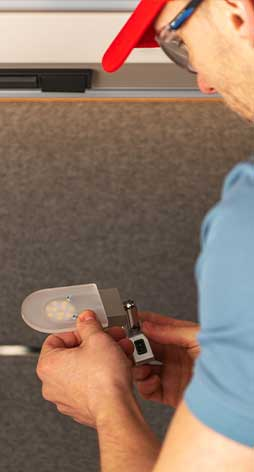
Frequent Garage Door Troubles and Techniques for Recognizing Them
Plenty of homeowners face ordinary garage door troubles that can interfere with daily routines. These issues often manifest in various ways, revealing root mechanical or electrical issues. One ordinary problem is the door unable to open or close completely, which may suggest misaligned tracks or a defective motor. Another frequent issue includes odd noises such as grinding or squeaking, regularly suggesting to deteriorated rollers or lack of lubrication.
Additionally, overhead doors may display sluggish operation, a indicator of electrical issues or sensor misalignment. Some property owners may notice the door reversing unexpectedly, indicating an blockage or a faulty sensor. Finally, obvious deterioration, such as rust or cracks, can compromise the door's integrity. Recognizing these common issues promptly can prevent more extensive repairs, ensuring the garage door operates effectively and safely.
How to Solution Ordinary Garage Door Difficulties
Resolving common garage door issues requires a organized strategy to guarantee safe and effective operation. First, one should assess the door's support rails for unwanted materials, confirming unobstructed movement. If the door is unresponsive, verifying the remote batteries and the power connection for the opener is necessary. In situations involving misalignment, the support rails may need adjustment to facilitate correct functioning.
Dealing with squeaky doors often means that applying lubricant to copyrights and rollers will address your problem. When a door does not close completely, inspecting the closing sensors for blockages or misalignment becomes essential. Should your springs be worn or broken, seeking expert help is recommended due to the hazardous nature of repair.
Lastly, if the garage door moves backward without warning, checking the safety sensors and making sure they are clean and properly aligned can help. Routine inspections and prompt attention to these issues can prolong the life of the garage door system.
Best Door Maintenance Suggestions
Proper garage door maintenance is essential for ensuring safe and dependable performance. Important procedures include regular lubrication of moving parts and thorough inspections of safety features. These steps can greatly extend the lifespan of the garage door while enhancing its performance.
Consistent Lubrication Techniques
Keeping a garage door's functionality depends on regular lubrication practices that improve its efficiency and lifespan. Proper lubrication minimizes friction, decreasing damage to components such as rollers, copyrights, and tracks. It is advisable to use a silicone lubricant or light oil, which penetrates easily and provides effective protection against rust and corrosion.
Garage door specialists suggest greasing these components every six months to ensure seamless functioning. Furthermore, it is crucial to clean away any surplus lubricant to avoid dirt buildup. Regularly inspecting and maintaining lubrication can help identify potential issues before they escalate, ultimately extending the life of the garage door system and ensuring reliable operation for years to come.
Inspecting Safety Features
Regular oiling practices significantly improve the overall functionality of a garage door, but safety features require safety features. Regular evaluation of these features is vital for guaranteeing safe operation. Homeowners should inspect the auto-reverse mechanism, which should activate when an object is detected in the door's path. The safety sensors located at the door's base should be clean and well positioned to ensure effective functioning. It is also crucial to test the door's balance, as an unbalanced door may present safety hazards. Finally, checking the emergency release mechanism to confirm smooth operation guarantees a reliable backup in case of power failure. Consistent safety checks can avoid accidents and increase the durability of the garage door system.
What Function Do Garage Door Components Play?
Garage doors consist of several essential components, each playing a critical role in the system's overall functionality. The garage door itself serves as the main protective element, providing protection and energy efficiency. The opener, regularly motorized, manages the door's movement, while the remote control allows for convenient access.
Tracks manage the door's movement, guaranteeing seamless operation. Rollers, attached to the door, facilitate this motion along the tracks. Springs, either torsion or extension, deliver the necessary counterbalance, making it easier to lift the heavy door. Cables fasten the springs to the door, permitting tension adjustments.
Safety sensors, located near the ground, identify obstructions and stop the door from closing on objects or individuals. Weather stripping closes openings, preventing air and water intrusion, while the frame holds up the door framework. Each part must function harmoniously to guarantee the garage door operates safely and efficiently.
Symptoms Your Garage Door Needs Experienced Restoration
Recognizing markers that a overhead door requires expert repair is vital for upholding protection and reliability. Odd noises when functioning, problems with smooth opening and closing, and apparent deterioration are essential indicators that action may be needed. Timely response to these issues can avert further damage and guarantee steady performance.
Uncommon Sounds When Running
When a garage door starts to release unusual audible signs while in use, it frequently points to mechanical problems that need expert help. Common sounds, such as scraping, creaking, or rattling, can practical advice indicate problems with the rollers, springs, or motor. For instance, a scraping noise may suggest that the rollers are not functioning smoothly, while squeaking could point to a lack of lubrication. Furthermore, a rattling noise could reveal loose components or hardware that need securing. Not addressing these noises may cause more significant damage and expensive repairs. Homeowners are advised against diagnosing or repairing these issues themselves, as incorrect handling might worsen the situation. Getting professional assistance ensures the garage door functions safely and efficiently.
Door Fails to Open Smoothly
Unusual noises may often come with other signs that suggest a garage door needs professional repair. A garage door that fails to open smoothly can be a major issue, suggesting underlying problems such as poorly aligned tracks, worn-out rollers, or faulty springs. Homeowners may observe jerky movements or a complete failure to open, which can be frustrating and inconvenient. Such abnormalities not only compromise the door's performance but also pose safety hazards. Additionally, if the door stalls or struggles during operation, it may indicate that urgent attention is required. Overlooking these symptoms can lead to more serious deterioration and costly repairs. Seeking professional help guarantees a comprehensive diagnosis and prompt resolution, restoring the door's seamless performance and ensuring safety.
Visible Problems or Dents
Visible damage or dents on a garage door can signal the need for expert maintenance. Such imperfections can occur due to multiple causes, including weather conditions, unintended collisions, or deterioration with age. Not only do these deformations affect the aesthetic appeal of a home, but they can also compromise the door's functionality and security. For instance, a dent may throw off the door, resulting in operational issues or even exposing the garage to potential intruders. Homeowners should evaluate the severity of the damage; minor dents might be fixable with DIY methods, while major harm often requires professional intervention. Disregarding visible damage could result in more significant problems, making prompt maintenance crucial for preserving both security and exterior attractiveness.
Guide to Selecting the Best Garage Door Service Vendor
Opting for the best service vendor can greatly impact the longevity and effectiveness of a system. To make an informed decision, consumers should initiate by looking into local businesses, focusing on their reputation and online reviews. A reliable professional often showcases positive feedback and testimonials, indicating a record of satisfied clients.
Next, it is imperative to authenticate the company's credentials, along with licensing and insurance. This step ensures that the provider adheres to industry standards and is guarded against potential liabilities. Additionally, procuring multiple quotes can help establish pricing structures, permitting comparisons between services offered.
Furthermore, evaluating the variety of offerings—such as fixes, setups, and maintenance—is essential. An ideal provider should offer a thorough suite of choices tailored to satisfy diverse needs. Finally, consider the vendor's expertise; a established company usually has important expertise in managing varied issues effectively.
Learning About What Happens During Door Repair or Installation
During a garage door service or assembly, homeowners can generally anticipate a comprehensive strategy from the service provider. Initially, the technician will assess the condition of the garage door, noticing any issues or necessary upgrades. This inspection often includes testing the door's equipment, tracks, and opener functionality.
Once the inspection is finished, the technician will present the necessary repairs or installation approach, along with expected timelines and fees. Homeowners should get a itemized estimate before any work begins.
During the repair or installation, the technician will use advanced instruments and devices to guarantee security and optimal performance. Homeowners are encouraged to inquire and voice any issues throughout the procedure. After the work is completed, the technician typically tests the door to verify proper operation and may provide care advice to prolong the door's lifespan. Overall, transparent dialogue and expert service are key elements of the customer experience.
Commonly Requested Questions
What is the Duration of a Standard Garage Door Installation?
A typical garage door installation generally takes approximately four to six hours. Factors such as the type of door, pre-existing hardware, and complexity of the installation can influence the overall timeframe necessary for accomplishment.
Are protections available for garage door work?
Yes, many door service companies deliver protective guarantees that safeguard parts and labor, typically lasting one to several years. It's essential for property owners to check coverage information before engaging services to confirm proper protection and coverage.
Is it possible for me to install a overhead door without help?
Yes, one can install a garage door on their own, provided they possess the necessary tools and skills. However, they should consider possible dangers and issues, as professional installation often guarantees proper functionality and warranty coverage.
What Do Garage Door Repairs Expense You?
The cost of garage door services typically ranges from $100 to $500, depending on how complex the issue. Cost-determining elements encompass parts needed, labor rates, and whether the door demands adjustments or complete replacement.
How Can I Improve My Garage Door's Safety?
To enhance garage door protection, you can set up deadbolts, security cameras, motion sensors, and smart locks. Routine care, including examining vulnerabilities, also helps ensure the door stays safe against potential unauthorized entry.